
AI video captioning SaaS
Caption AI
A captioning web app for South Asian video creators, with Gemini transcription, timing measured from the audio and a full caption editor.
- Role
- Developer in a three-person team
- Platforms
- Web, Backend & API
- Status
- In development
- Timeline
- 2026
- Web application
- SaaS product
Overview
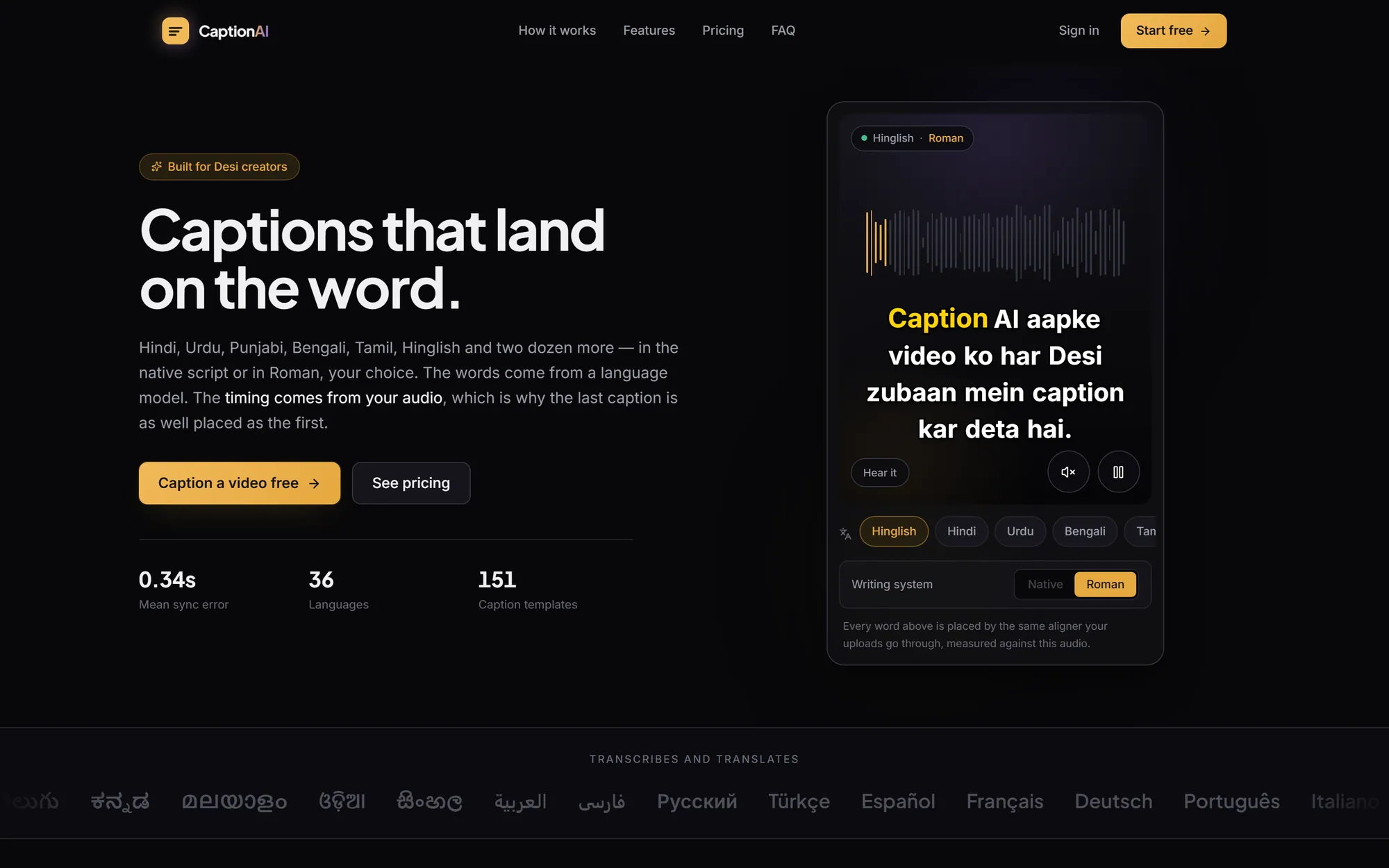
Caption AI is a web platform that turns a video into styled, word-timed captions in 36 languages. It focuses on Urdu, Hindi, Punjabi, Bengali, Tamil and code-switched languages such as Hinglish and Roman Urdu, and lets the user choose native or Roman script for each one.
Google Gemini transcribes the audio, then the engine re-times every word against the speech it measures in the waveform. A React editor lets users restyle, retime, translate and clean up audio before exporting a burned-in MP4, a transparent caption layer for video editors, or subtitle files. Around the editor sit accounts, Stripe plans and usage quotas, referrals, support chat, transactional email and an operator panel.
This is a team project with three developers. I authored the four most recent milestones (M17 to M20, roughly 22,000 lines): matching the preview and exported animation, motion presets, transcript coverage checks, the keyboard shortcut system and autosave, right-to-left caption rendering, session and upload security, performance work in the editor, server deployment files and font-driven text sizing. The earlier milestones (the engine baseline, the web foundation, the original editor, billing, admin, email and support) were committed by the other two developers.
Built for: Short-form video creators and editors working in South Asian languages, plus professional editors who want caption layers for Premiere Pro or DaVinci Resolve.
The problem
Most captioning tools handle Urdu, Hindi, Punjabi and mixed-language speech poorly, and few let the creator decide between native script and Roman script.
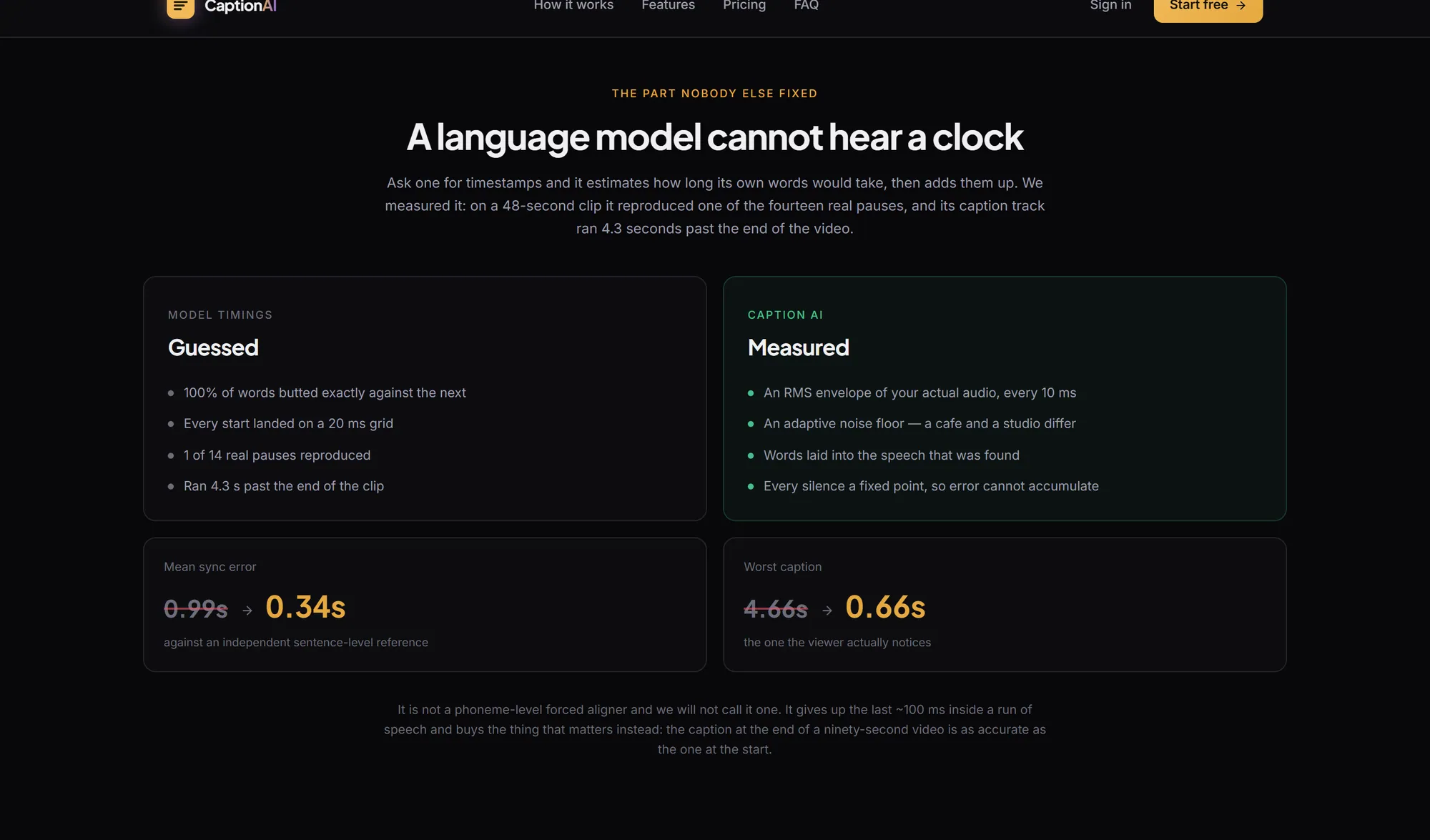
Language models also invent word timestamps. On a 48-second Hinglish clip, the team found that Gemini's timings sat on a 20 ms grid with every word touching the next, reproduced only 1 of 14 real pauses, and ran the caption track 4.3 seconds past the end of the video, so the last captions were never shown.
The solution
The product separates what was said from when it was said. Gemini returns the words in the chosen script. The engine then measures where speech actually happens in the audio and lays the words into those regions, weighted by estimated syllables. Every silence becomes a fixed point, so timing errors cannot build up across a long clip.
Captions are stored as structured objects with word timings and edited in a three-pane React editor. One style model drives three renderers (the CSS preview, the ASS file that FFmpeg burns in through libass, and plain subtitle formats), so what the user sees in the editor is what ends up in the exported file. My M17 milestone made the preview and the export run the same measured animation, and M20 tied text sizing to the actual font files.
Main features
36 languages, native or Roman script
Auto-detect plus 36 languages, including Urdu, Hindi, Punjabi, Sindhi, Pashto, Bengali, Tamil, Hinglish, Roman Urdu-English, Arabic and Persian. The script choice is enforced per language.
Timing measured from the audio
Word timings from the model are re-aligned against speech regions detected in the waveform. On the team's sample clip, mean sync error fell from 0.99 s to 0.34 s. The same speech windows catch transcripts that stopped early or missed speech, so users are not charged for incomplete work.
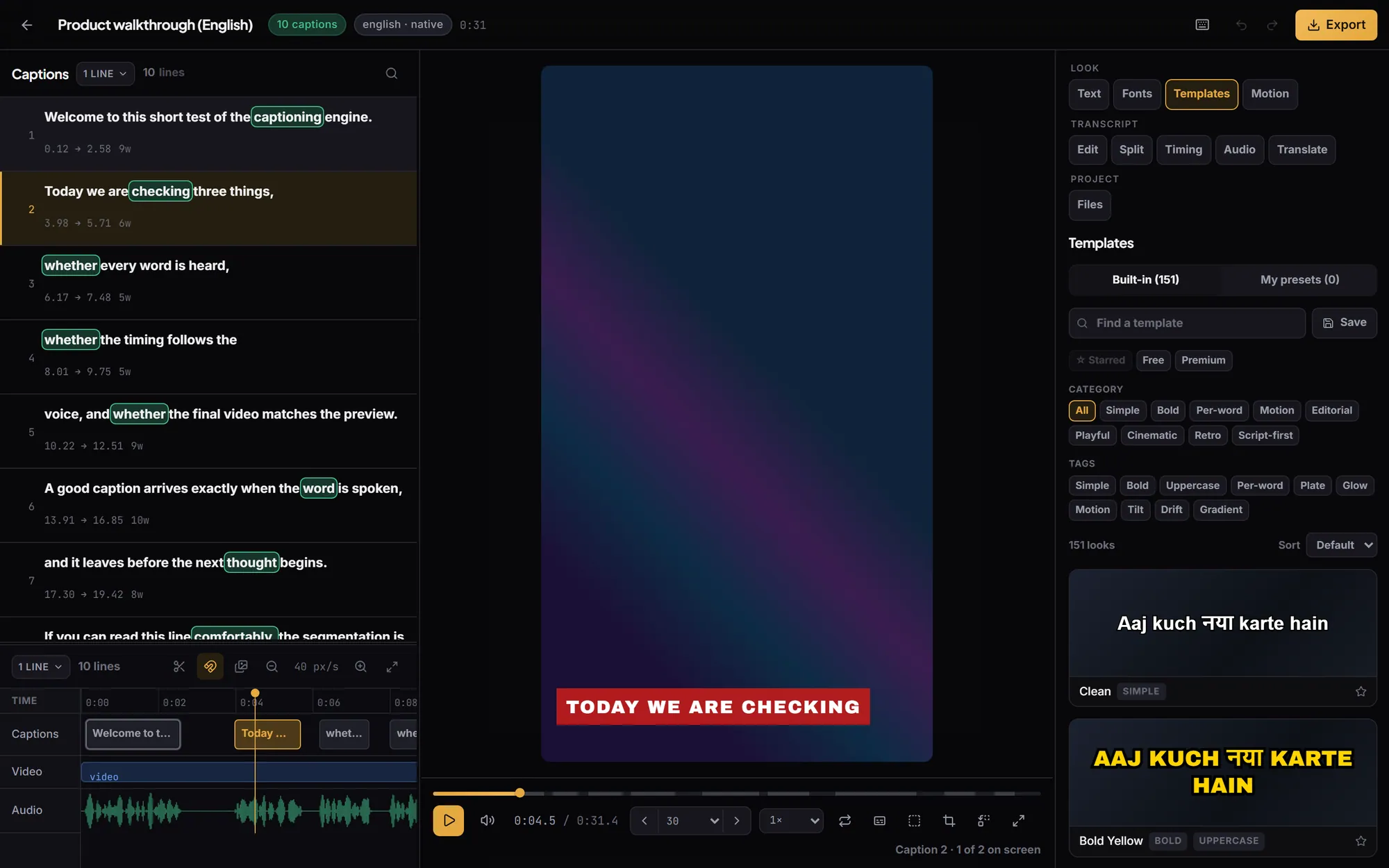
Full caption editor
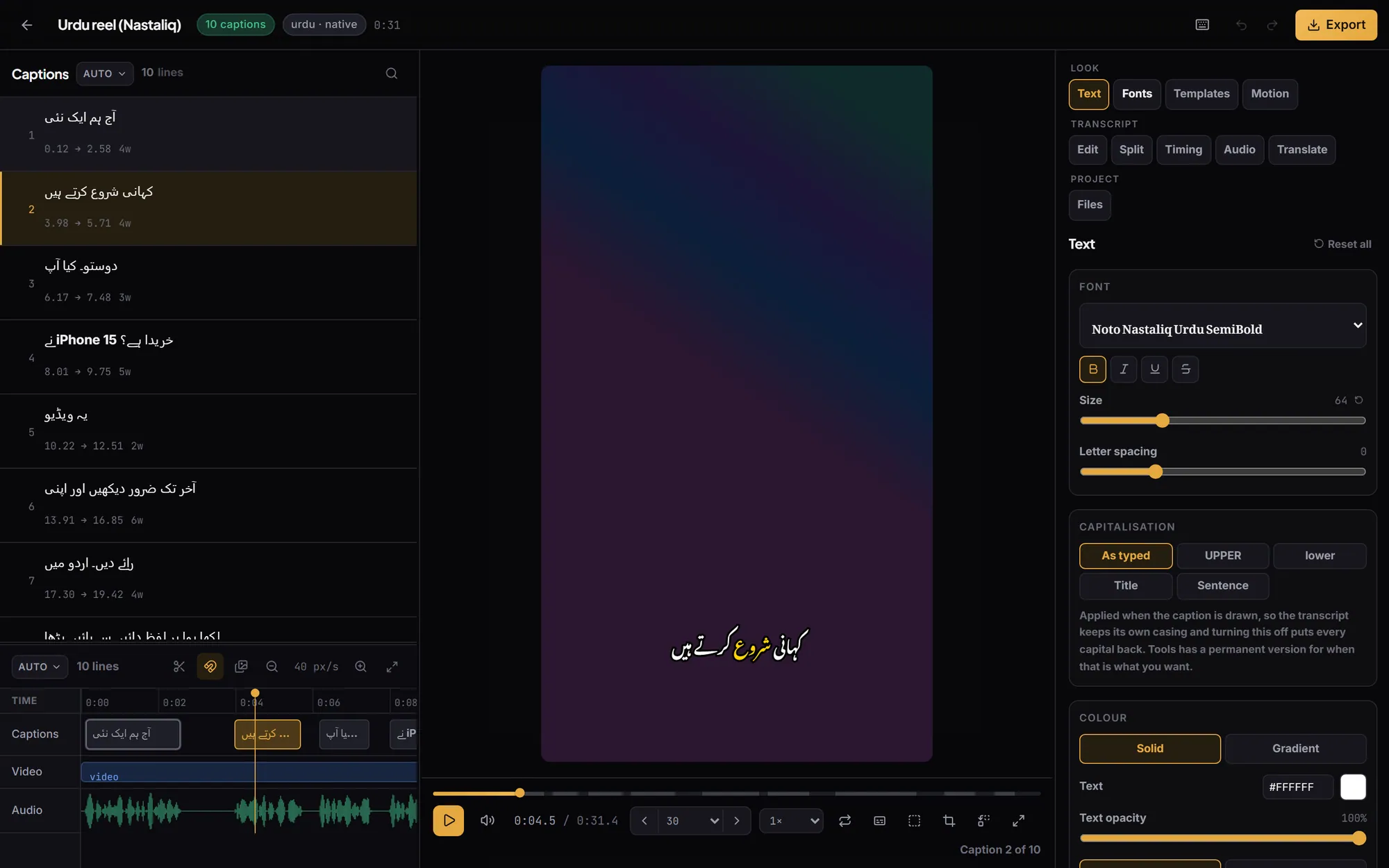
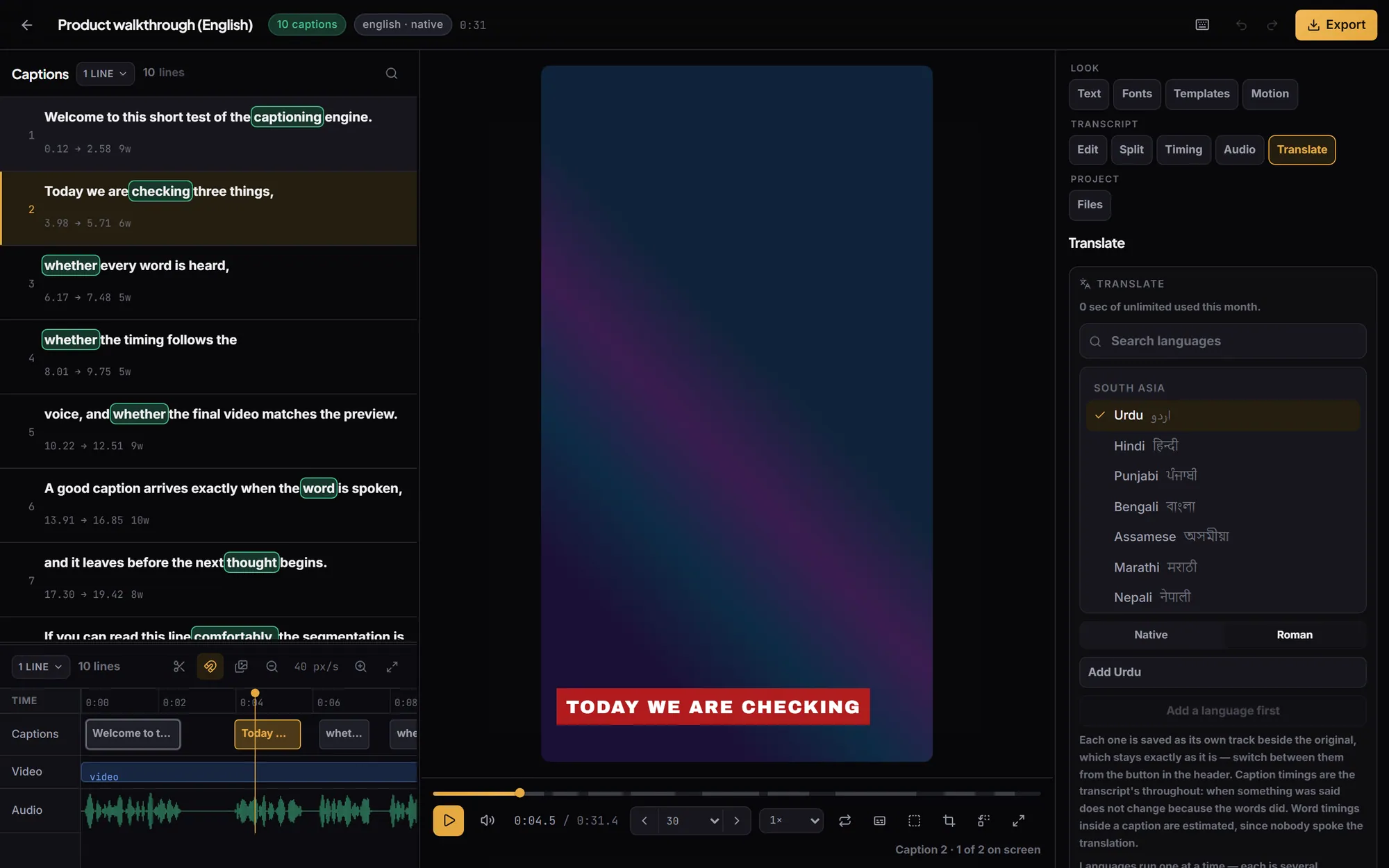
Caption and word lists, a live preview, a timeline with drag-to-retime, split and merge, 50-step undo and autosave. I added the keyboard shortcut system, the single save indicator and windowed lists for long transcripts.
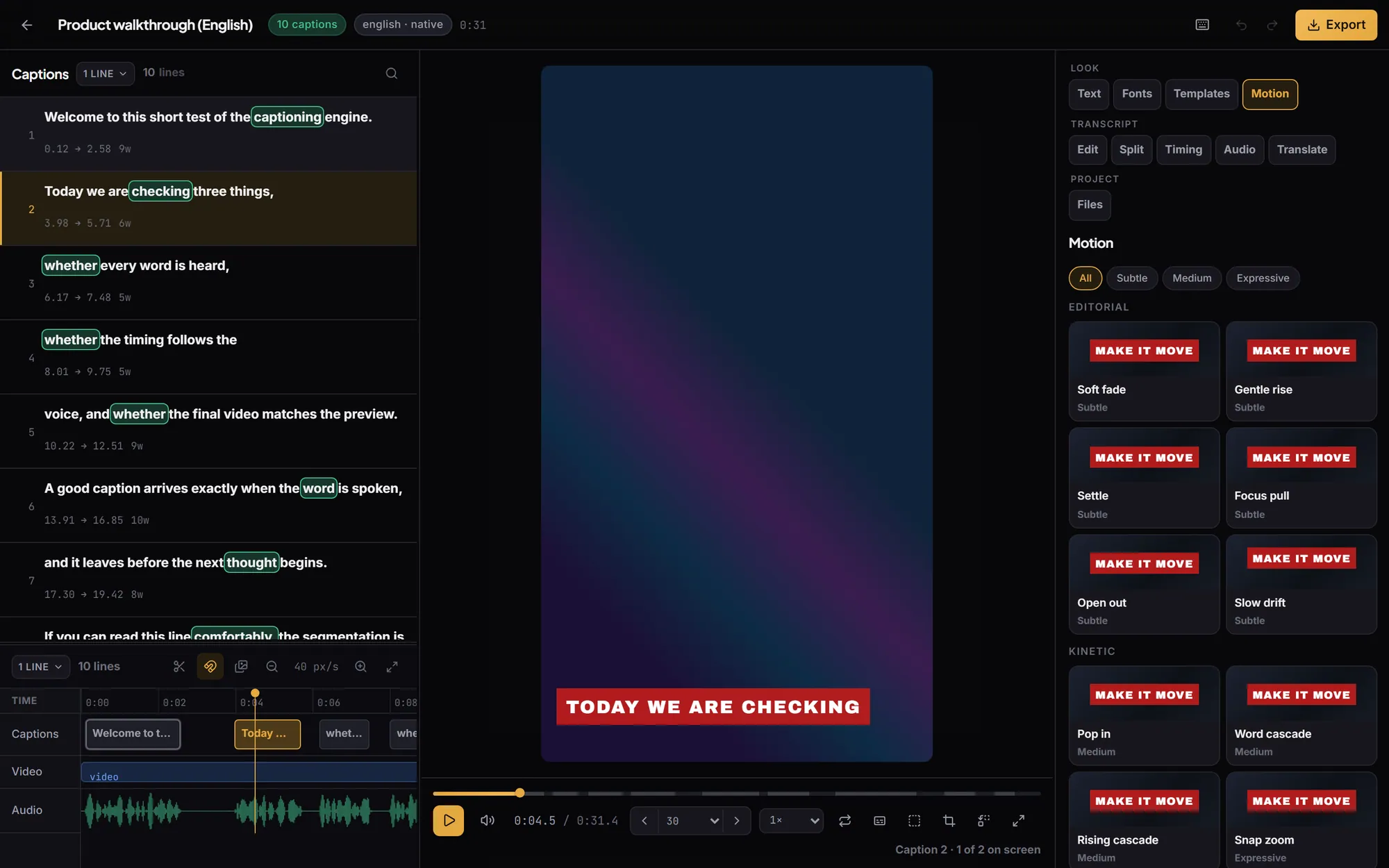
151 templates and 26 motion presets
Templates apply like any other style change. Motion presets such as Soft fade, Pop in and Word cascade are limited to what libass can actually render, so the exported video matches the preview.
Right-to-left and complex scripts
Urdu and Arabic lines are reordered in the engine, because libass lays text out left to right. Font coverage is checked per character, and 46 bundled font files include Noto Nastaliq Urdu.
Translation and audio cleanup
Gemini translates captions into extra tracks without changing the timing, and two languages can be shown at once. An FFmpeg chain handles hum removal, denoising, de-essing, loudness and a steady music bed, with an original versus cleaned comparison.
Exports for creators and editors
Burned-in MP4, transparent ProRes 4444 or green-screen caption layers for video editors, plus SRT, VTT, styled ASS and JSON with word timings.
SaaS business layer
Accounts with email verification and password reset, five plan tiers with usage meters, Stripe checkout and webhooks, referrals, support chat and an operator panel.
Inside the product
Screens from the software itself. Design prototypes and illustrative mockups are labelled as such.
Development and architecture
Caption AI is one Node.js engine and one React client. The engine is structured as config, services, processors, store and server, and serves everything under /api through a small hand-written router. A Vite, React 19 and TypeScript single-page app is the only client, with the operator panel code-split.
PostgreSQL holds accounts, billing, usage meters and render jobs, with numbered SQL migrations applied at startup. Media and project files stay on disk per user and never go into the database. FFmpeg with libass handles audio extraction, waveforms, audio cleanup and caption burn-in. The engine has only four runtime dependencies, and the project carries a large automated test suite that runs against a real Postgres database.
- Words from the model, timing from the signal
- Speech regions are found from an RMS envelope sampled every 10 ms with an adaptive noise floor and hysteresis. Words are placed into those regions by syllable estimates, with the model's own durations used only as a tiebreak.
- One style model, three renderers
- The same style definition produces the CSS preview, the ASS file for libass and the subtitle formats, sized against a 1920×1080 reference frame and pinned by golden-output tests. In M17 I made the preview and the exported file run one measured animation.
- Right-to-left caption rendering
- In M19 I added bidi reordering in the engine for Urdu and Arabic captions, because libass orders text runs left to right and would otherwise scramble mixed-direction lines.
- Durable render jobs
- MP4 exports are Postgres-backed jobs that survive a process restart. The schema allows only one render per project, and every FFmpeg pass runs asynchronously through a single runner with separate lanes for heavy and light work.
- Auth and security hardening
- Passwords use scrypt, and verification and reset tokens are single-use and hashed. In M19 I added hashed session tokens, secured upload paths and added billing recovery and housekeeping jobs.
- Editor performance
- The playback clock lives outside React state, and the caption lists and timeline are windowed, so long transcripts stay responsive while the video plays.
- Prepared for a single server
- I wrote the nginx site config and systemd service unit for deployment. A Postgres backup timer and a preflight check script sit alongside them. The product has not been deployed yet.
Technology
- Node.js
- React
- TypeScript
- PostgreSQL
- Google Gemini
- FFmpeg
- libass
- Stripe
- Tailwind CSS
- Vite
- Nginx
Results
- Mean caption sync error, down from 0.99 s
- 0.34 sMean caption sync error, down from 0.99 sMeasured by the team on one sample clip against an independent sentence-level reference.
- Worst-case caption error, down from 4.66 s
- 0.66 sWorst-case caption error, down from 4.66 sSame sample clip and reference.
- Automated tests passing
- 1,250Automated tests passingAcross 79 test files, run against a real PostgreSQL database.
- Languages supported
- 36Languages supportedPlus auto-detect, with native or Roman script where a language has both.
Related projects

AI custom merch marketplace
MerchMind
A multi-vendor merch marketplace where shoppers describe a design in words, generate artwork with AI and preview it on products.
- Web application
- E-commerce
Snooker club management SaaS
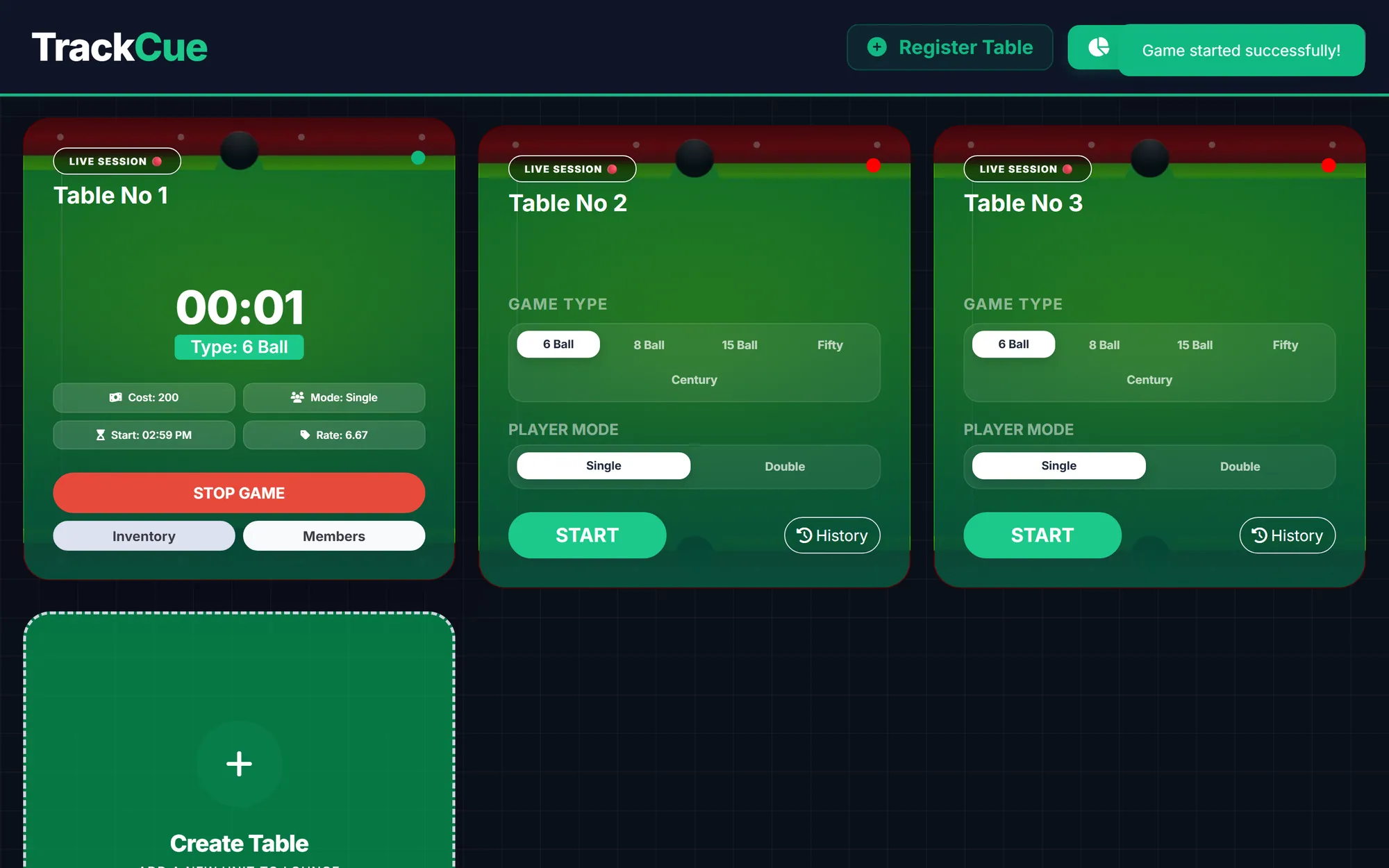
Track Cue
A multi-tenant SaaS for snooker and billiard clubs, covering live table timers, game billing, member credit, canteen stock and expenses.
- Web application
- SaaS product
- Business system
Security & architecture hardening
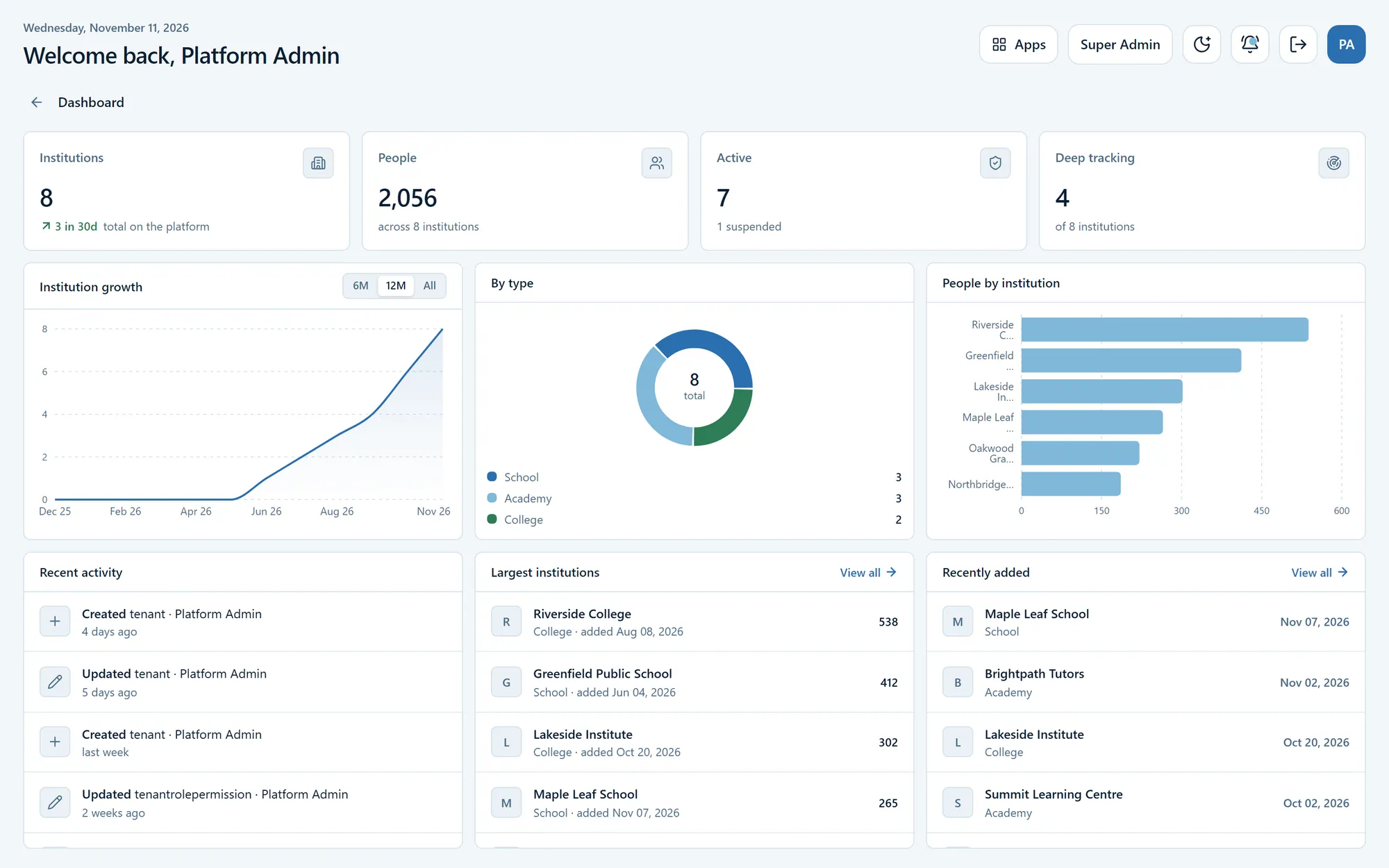
CampusPro
A multi-tenant management platform for schools, colleges and academies, which I audited and hardened for security, tenant isolation and data integrity.
- Web application
- SaaS product
- Business system
Have a software idea or a business process that needs a proper system?
Tell me what you are trying to fix. I will reply with honest questions, a practical plan and a realistic estimate.